Balapur Fort Shegaon History: Mughal Architecture & Chhatri
Discover Balapur Fort Shegaon history and the 1721 Mughal river fortress. Explore the black stone Chhatri, architecture, and 25 km heritage day-trip tips.
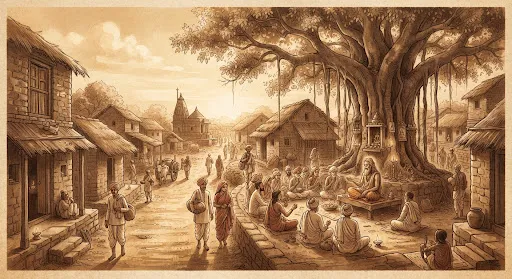
Standing majestically at the scenic confluence of the Man and Mhais rivers approximately 25 kilometres southeast of Shegaon, the historic fortress of Balapur is one of the most remarkable Mughal-era military and architectural monuments in Maharashtra's Vidarbha region. Built in the early 18th century, this formidable brick-and-basalt citadel provides history enthusiasts, architecture lovers, and visiting pilgrims with a captivating glimpse into the turbulent medieval heritage of the Berar subah.
For yatris staying at Shegaon Bhakta Niwas, a half-day excursion to Balapur perfectly complements the spiritual darshan of Sant Shri Gajanan Maharaj. You can explore massive defensive bastions, view the ancient cannons, and marvel at the world-famous black basalt Chhatri of Sawai Jai Singh.
This comprehensive heritage guide explores Balapur Fort Shegaon history, its strategic military architecture, visitor logistics, and travel tips from Shegaon.
1. Quick Facts: Balapur Fort & Heritage Monument
| Heritage Metric | Architectural & Historic Details |
|---|---|
| Monument Name | Balapur Fort (Qila Balapur) & Royal Chhatri |
| Location | Balapur Town, Akola District (adjacent to Buldhana border) |
| Distance from Shegaon | Approximately 25 km (approx. 35 to 45 minutes driving) |
| Year of Completion | 1721 CE by Nawab Ismail Khan (Subahdar of Berar) |
| Architectural Style | Mughal-Deccani military fortification & Rajput stone masonry |
| Rivers at Site | Confluence of Man River and Mhais River |
| Key Highlights | Massive pentagonal bastions, elephant-proof gates, Sawai Jai Singh Chhatri |
| Visiting Hours | 09:00 AM to 05:30 PM daily |
| Entry Fee | Free entry (protected monument under state archaeological circle) |
The tranquil riverside elevation of the fortress offers panoramic views of the water confluence and the fertile agricultural landscape of the Purna valley.
2. History of Balapur Fort: The 1721 Mughal Fortress
The strategic importance of Balapur emerged during the late Mughal period when the Berar province was a heavily contested frontier between the Delhi Mughal Empire, the Maratha Empire, and the emerging Nizams of Hyderabad.
Strategic Fortress Construction
- Origin in 1721 CE: Construction of the current fortified citadel was initiated by Azam Shah, son of Mughal Emperor Aurangzeb, and subsequently completed in 1721 CE by Nawab Ismail Khan, who served as the local governor (Subahdar) under the Nizams.
- The Battle of Balapur (1720): Just prior to the fort's completion, the historic Battle of Balapur was fought nearby between Nizam-ul-Mulk and Mughal imperial commander Dilawar Ali Khan, cementing the Nizam's autonomous rule over the Deccan.
- Defensive Design: Positioned directly at the fork of two rivers, the fort's natural water moat made surprise infantry attacks nearly impossible during medieval sieges.
3. Architectural Marvels of Balapur Fort
The fortress exemplifies late-Mughal military engineering adapted to Deccan basalt topography:
1. Massive Defensive Bastions & Curtains
- The fort is defended by high, double-tiered outer walls constructed from dressed black stone and kiln-baked red bricks.
- Five imposing corner bastions (Panch Buruj) were specifically reinforced to house heavy bronze and iron artillery. Gun embrasures and arrow slits line the upper parapets, providing sweeping firing lines across both river approaches.
2. The Grand Iron-Spiked Entrance Gates
- The primary gateway is shielded by an angled defensive barbican designed to prevent war elephants from building ramming speed.
- Massive teakwood doors studded with dangerous conical iron spikes remain preserved, illustrating the intense defensive preparedness of 18th-century warfare.
3. Inner Quarters & Subterranean Chambers
- Within the central citadel lie remnants of the governor’s administrative court (Kacheri), residential pavilions, barracks, and deep subterranean ammunition vaults designed to stay cool during blistering Vidarbha summers.
4. The Famous Royal Chhatri of Sawai Jai Singh
Located roughly 1 km south of the main fort on the banks of the Man River stands the most exquisite architectural monument in the area: the Chhatri of Mirza Raja Jai Singh (also associated in regional memory with Sawai Jai Singh of Jaipur).
Architectural Highlights of the Chhatri
- High Stone Plinth: The pavilion is elevated on a massive 19-foot-high decorative plinth constructed from fine black basalt stone, designed to protect the monument from high seasonal river floods.
- Ornate Rajput Pillars: The chhatri features twenty-five beautifully carved stone pillars with fluted shafts, cusped arches, and intricately carved floral friezes demonstrating classical Rajput craftsmanship transposed into the Deccan.
- Panoramic River Views: The open-air pillared pavilion provides a breeze-filled vantage point over the riverbed, making it a favorite spot for architectural photography and peaceful contemplation.
5. Travel Logistics: How to Reach Balapur from Shegaon
Balapur is situated along the main commercial corridor connecting Shegaon, Khamgaon, and Akola:
By Road (Car, Taxi, or Auto)
- Route via Khamgaon: Depart Shegaon on the southern road towards Khamgaon (17 km). At Khamgaon junction, join National Highway 53 heading east towards Balapur (another 18 km). Total driving distance: ~35 km (approx. 45 minutes).
- Direct Rural Route via Paras: Alternatively, drive southeast via the rural Shegaon–Paras–Balapur route (approx. 25 km, 35 minutes), which avoids highway truck traffic and passes scenic rural villages.
- Auto Rickshaw Hire: Auto rickshaws from Shegaon town can be chartered for a round trip to Balapur for approximately ₹600 to ₹800 including waiting time.
By Public Bus & Train
- MSRTC Buses: Frequent state transport buses connect Shegaon ST stand with Khamgaon, from where local buses to Balapur depart every 15 minutes.
- By Train: Trains operating from Shegaon (SGO) to Akola (AK) stop at intermediate rural stations, but road transport is significantly faster and drops you directly at the fort gates.
6. Suggested Half-Day Excursion Itinerary
You can effortlessly integrate Balapur into your Shegaon pilgrimage schedule:
- 06:00 AM – 08:30 AM: Early morning darshan at the Shegaon Samadhi Mandir followed by wholesome breakfast Mahaprasad.
- 09:00 AM – 09:45 AM: Drive from Shegaon to Balapur through the countryside.
- 09:45 AM – 11:15 AM: Explore Balapur Fort, walk along the upper bastions, and inspect the historic river ramparts.
- 11:30 AM – 12:30 PM: Visit the Royal Chhatri on the riverbank to admire the intricate Rajput stone carvings.
- 12:30 PM – 01:15 PM: Return to Shegaon for afternoon lunch at the Sansthan Bhojan Kaksha.
- Late Afternoon: Enjoy family relaxation at Anand Vihar or an evening stroll through Anand Sagar.
Frequently Asked Questions
How far is Balapur Fort from Shegaon?
Balapur Fort is approximately 25 km southeast of Shegaon via the direct rural road and roughly 35 km via the Khamgaon NH53 highway. The drive takes about 35 to 45 minutes.
Is an entry ticket required to visit Balapur Fort?
No. Balapur Fort and the Sawai Jai Singh Chhatri are open to the public without any entry fee. Visitors are requested to respect the historical monument and avoid littering.
Are photography and video allowed inside Balapur Fort?
Yes. Photography and videography are generally permitted for tourists and visitors. The historic bastions, river confluence, and stone pillars offer fantastic photo opportunities.
What are the best hours of the day to visit Balapur?
The best time to explore Balapur Fort is in the morning between 08:30 AM and 11:00 AM or in the late afternoon from 03:30 PM to 05:30 PM, avoiding the midday sun.
Related Resources
shegaon-bhakta-niwas
Planning Your Shegaon Yatra?
Reserve your room at Bhakta Niwas directly with all 3 meals included.