Panchamrut Abhishek & Nitya Puja Rituals at Shegaon Samadhi Mandir
Guide to Shegaon Samadhi Mandir Nitya Puja rituals. Discover dawn Panchamrut Abhishek, Paduka pujan, daily aarti schedules, and devotee viewing etiquette.
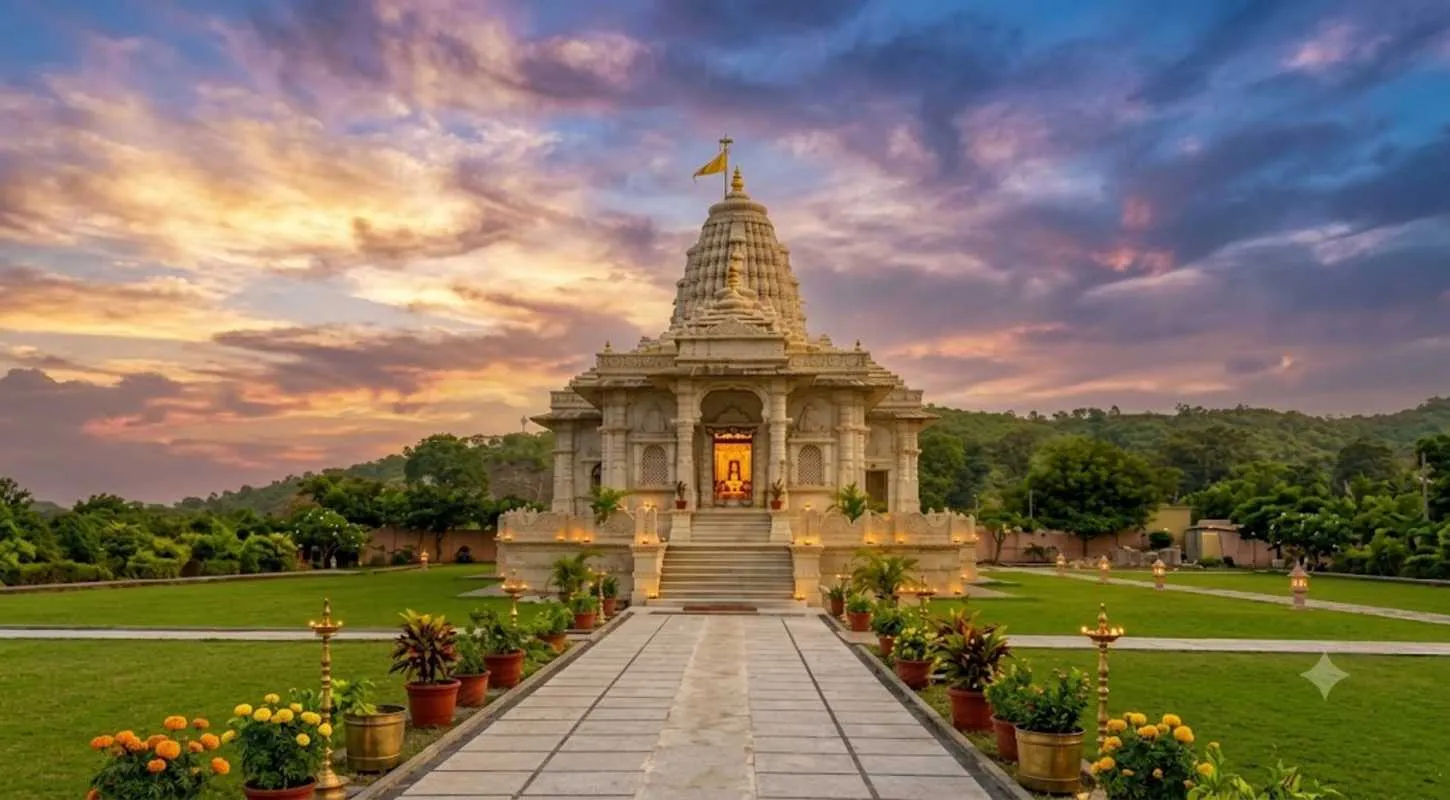
Every morning at the break of dawn, as darkness surrenders to the golden glow of the Vidarbha horizon, the sanctum sanctorum of Shri Gajanan Maharaj Temple in Shegaon awakens to the resonating chants of Vedic hymns and the gentle sound of sacred conches. Within the subterranean marble sanctum where Sant Shri Gajanan Maharaj entered eternal Sanjivan Samadhi on Rishi Panchami in 1910, the daily cycle of worship—known as Nitya Puja—unfolds with an unbroken spiritual discipline preserved across more than a century.
While thousands of visiting yatris join the queue lines each day for darshan, understanding the liturgical sequence of sacred rituals performed by the Sansthan’s initiated sevakars adds profound depth to the pilgrimage. If you are seeking authoritative details on the sacred Shegaon Samadhi Mandir Nitya Puja rituals, the dawn Panchamrut Abhishek, the sequence of daily aartis, and sanctum viewing etiquette, this devotional handbook provides verified guidance.
Devotees wishing to align their stay with early morning rituals can review the daily Darshan & Aarti Timings and reserve accommodations at Main Shegaon Bhakta Niwas adjacent to the temple courtyard through our Devotee Assistance Desk.
1. Quick Overview: Liturgical Schedule at Samadhi Mandir
| Ritual / Seva | Timing | Liturgical Significance | Devotee Access / Viewing |
|---|---|---|---|
| Nirmalya Visarjan | 04:30 AM – 05:00 AM | Removal of previous day's flowers and chandan; sanctum cleaning | Early queue devotees outside sanctum railing |
| Kakad Aarti | 05:00 AM – 05:30 AM | Sacred awakening aarti with traditional bells and cymbals | Open to all devotees in the Sabhamandap |
| Panchamrut Abhishek | 05:30 AM – 06:30 AM | Sacred bath of holy silver Padukas with five divine nectars | Live viewing from the darshan queue railing |
| Nitya Alankar & Vastra | 06:30 AM – 07:00 AM | Adorning Maharaj with fresh saffron vastra, chandan, and malas | Sanctum darshan lines begin moving |
| Madhyan Aarti | ~11:30 AM | Midday liturgical offering prior to afternoon seva | Assembly in central prayer hall |
| Saptashringi Aarti | ~04:00 PM | Afternoon reopening aarti welcoming evening yatris | Open sanctum viewing |
| Shej Aarti | ~09:30 PM | Solemn night lullaby concluding the devotional day | Final darshan before sanctum doors close |
Note: Liturgical timings are conducted with absolute precision 365 days a year by the Sansthan priesthood. Check Darshan Timings for minor festival adjustments.
2. Dawn Nirmalya Visarjan & Sacred Paduka Cleansing
The spiritual day begins well before sunrise, around 04:30 AM, in an atmosphere of serene, hushed reverence:
- Nirmalya Removal: The Sansthan sevakars and initiated brahmins enter the subterranean Garbhagriha to solemnly remove the nirmalya—the sanctified flower garlands, tulsi leaves, and saffron vastra offered to Maharaj the preceding day.
- Sanctum Washing: The marble floor and the raised silver pedestal surrounding the holy Sanjivan Samadhi are washed with pure water drawn from the sacred temple well and purified with holy river waters.
- The Sacred Padukas: The silver-encased Charan Padukas marking the exact spot where Sant Gajanan Maharaj's physical body rests in samadhi are unveiled and prepared for the sacred morning bath.
Devotees who assemble outside the main Mahadwar by 04:30 AM can witness this quiet cleansing as temple temple bells begin to toll softly.
3. The Sacred Panchamrut Abhishek Sequence
The central liturgical core of morning worship is the Panchamrut Abhishek (the ceremonial five-nectar bath) performed over the sacred silver Padukas of Sant Gajanan Maharaj between 05:30 AM and 06:30 AM immediately following the dawn Kakad Aarti:
Liturgical Sequence: [Pure Cow's Milk] ──> [Fresh Curd] ──> [Pure Honey] ──> [Desi Cow Ghee] ──> [Sugar Crystals] ──> [Holy Water Snan (Shuddhoda Snan)] ──> [Fragrant Chandan & Kesar Archana]
- Cow's Milk (Dugdha): Pure, unpasteurized milk from the Sansthan's own cow shelter (Goshala) is poured over the Padukas symbolizing spiritual purity and nourishment.
- Curd (Dadhi): Freshly cultured curd is offered, representing prosperity and emotional steadiness.
- Desi Cow Ghee (Ghrita): Pure clarified butter is poured, symbolizing divine luminescence, vitality, and health.
- Pure Honey (Madhu): Sweet, golden honey is applied, signifying harmonious sweetness in speech and divine grace.
- Sugar Crystals (Sharkara): Fine sugar is offered, representing ultimate bliss (Ananda) and supreme contentment.
The Chanting of Sacred Mantras:
Throughout the abhishek sequence, the temple priests recite the Purusha Sukta, Sri Sukta, Rudra Prashna, and Ganapati Atharvashirsha in resonant Vedic cadence. Devotees standing along the queue barricades chant Maharaj’s immortal tarak mantra:
$$ ext{॥ गणी गण गणात बोते ॥}$$
(“Gani Gana Ganat Bote” — The individual soul is none other than the Universal Divine Consciousness).
Following the panchamrut offerings, the Padukas undergo Shuddhoda Snan—a thorough rinsing with fresh, fragrant water infused with cardamom, camphor, and holy basil (tulsi) leaves, followed by gentle drying with pure unbleached cotton cloths.
4. Nitya Alankar, Vastra Samarpana & Daily Aarti Integration
Once the abhishek is concluded, the sevakars perform the divine adornment (Nitya Alankar) of the Samadhi:
- Sandalwood & Saffron Paste: Freshly ground Malayagiri sandalwood paste (kesar-chandan) is reverently applied to the forehead of the marble murti and upon the silver Padukas. A sacred vertical tilak with an unbroken rice grain (akshata) is placed.
- Vastra Samarpana: Maharaj’s murti is draped in immaculate silk or fine cotton robes—frequently in saffron, golden yellow, or royal crimson—tailored specifically by Sansthan seva workers.
- Fresh Garland Offering: Heavy garlands woven with fragrant orange marigolds, white jasmine, and deep green tulsi leaves are placed around the silver canopy and over the sacred Padukas.
- Akhand Dhuni Darshan: Near the sanctum, the perpetual sacred fire (Akhand Dhuni)—ignited during Maharaj's earthly lifetime—is offered wood and ghee, producing sanctified ash (Angara) distributed to visiting pilgrims.
For architectural insights into how the subterranean sanctum and ventilation systems were engineered around the Samadhi, consult our historical study: Shegaon Samadhi Mandir Architecture & History.
5. Devotee Darshan Protocol, Etiquette & Traditional Dress Code
To preserve the supreme sanctity of the morning Nitya Puja, visiting devotees must strictly adhere to Sansthan guidelines:
- Traditional Indian Attire Mandatory: Devotees seeking sanctum darshan are expected to wear dignified, modest traditional Indian clothing:
- Men: Dhoti with kurta, pyjama with kurta, or simple trousers. Bermuda shorts, sleeveless shirts, and ripped jeans are strictly forbidden.
- Women: Saree with blouse, salwar-kameez with dupatta, or long traditional ethnic dresses.
- For full apparel details, consult our Shegaon Temple Dress Code & Sanctum Etiquette Guide.
- Mukh Darshan vs Charansparsh Lines: The Sansthan operates two parallel queue streams. The Mukh Darshan line moves swiftly for yatris seeking a quick visual glance from the outer railing. The Charansparsh line allows devotees to step close to the samadhi railing to touch their forehead to the sacred threshold. Read our Darshan Queue Strategies & Best Timings Guide.
- Electronic Device Ban: Mobile phones, digital cameras, and smartwatches must be deposited at the free luggage cloakroom outside Gate 1. Photography within the sanctum is strictly prohibited.
6. Post-Puja Blessings: Mahaprasad & Sacred Angara
A pilgrimage to Shegaon remains incomplete without partaking in the two sacred prasad blessings flowing from the morning worship:
- Sacred Angara (Holy Ash): At the exit of the underground Garbhagriha, Sansthan sevakars gently place a pinch of sacred Angara from the Akhand Dhuni onto every devotee’s outstretched right hand. Devotees apply this holy ash to their forehead and throat as an armor of spiritual protection and healing.
- Satvik Mahaprasad Dining: From 10:00 AM onwards, the grand Sansthan Annachhatra opens its doors to serve unlimited, free Satvik Mahaprasad to every pilgrim. Over 10,000 devotees dine together daily in immaculate discipline. For dining hall procedures, read our Mahaprasad Dining Etiquette Guide.
Frequently Asked Questions
What time is Panchamrut Abhishek performed at Shegaon Samadhi Mandir?
Panchamrut Abhishek is performed daily between 05:30 AM and 06:30 AM in the underground sanctum, immediately following the dawn Kakad Aarti.
Can ordinary devotees perform personal abhishek inside the sanctum?
No. To preserve absolute discipline and equality, personal abhishek by individual pilgrims inside the sanctum is not permitted. The abhishek is performed collectively on behalf of all devotees by initiated Sansthan brahmins following Vedic shastras.
What are the five ingredients used in the Panchamrut Abhishek?
The five sacred ingredients are pure cow's milk, homemade curd, desi cow ghee, pure honey, and fine sugar crystals, followed by a holy water snan and kesar-chandan archana.
What is the daily aarti schedule at Shri Gajanan Maharaj Temple?
The temple conducts four daily aartis: Kakad Aarti at 05:00 AM, Madhyan Aarti at approximately 11:30 AM, Saptashringi Aarti at approximately 04:00 PM, and Shej Aarti at approximately 09:30 PM.
Is there a dress code to witness the morning Nitya Puja?
Yes. Devotees must wear traditional Indian attire (dhoti/kurta or pyjama for men; saree or salwar-kameez for women). Western beachwear, shorts, and sleeveless tops are strictly prohibited inside the temple premises.
Related Resources
- Devotee Booking Assistance & Helpline Desk
- Shri Gajanan Maharaj Temple Darshan & Aarti Timings
- Main Shegaon Bhakta Niwas Property Overview
- Shegaon Samadhi Mandir Architecture & Sacred History
- Shegaon Temple Dress Code & Sanctum Etiquette
- Shegaon Darshan Queue Strategies & Best Timings
- Mahaprasad Annachhatra Dining Etiquette in Shegaon
shegaon-bhakta-niwas
Planning Your Shegaon Yatra?
Reserve your room at Bhakta Niwas directly with all 3 meals included.