Pandharpur Wari & Vitthal Mandir: Pilgrim Guide to Bhakta Niwas
Comprehensive guide to Pandharpur Wari and Vitthal-Rukmini Temple. Chandrabhaga snan, Ashadhi/Kartiki crowds, darshan lines, and Sansthan Bhakta Niwas.
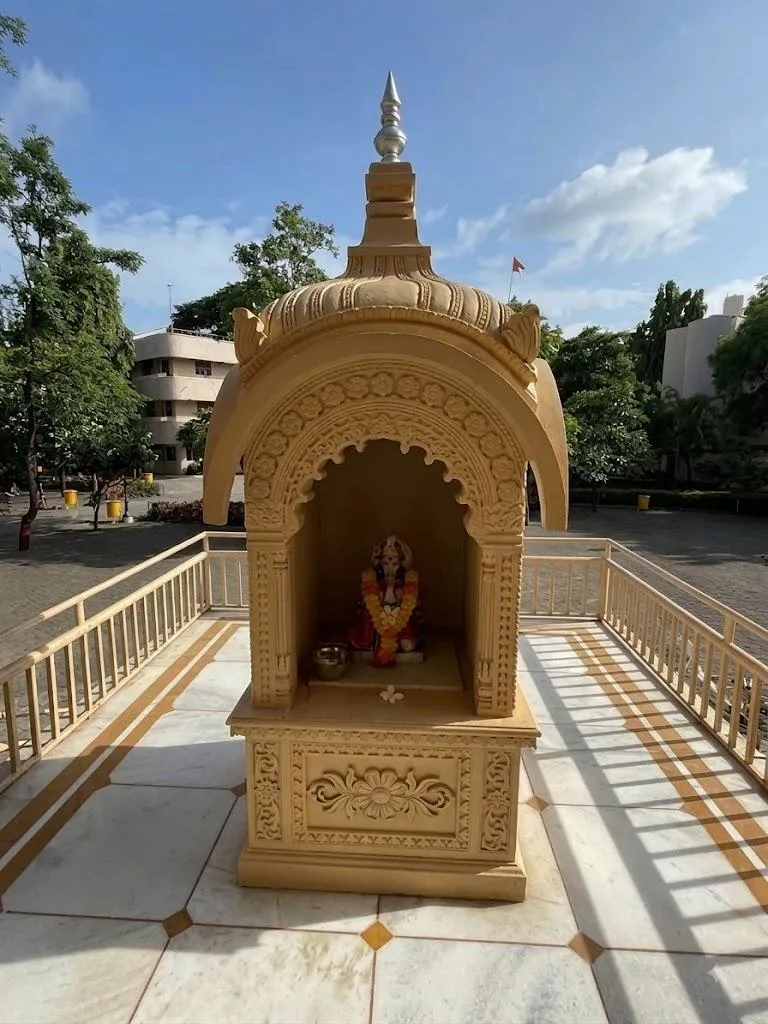
For more than eight centuries, the spiritual heartbeat of Maharashtra has resonated to the divine rhythm of the Pandharpur Wari—the world's oldest and largest annual walking pilgrimage. Millions of warkaris from every corner of India march hundreds of kilometers singing the abhangas of Sant Dnyaneshwar, Sant Tukaram, and Sant Namdev to embrace their beloved deity: Lord Vitthal (Vithoba) and Mother Rukmini in holy Pandharpur.
Sant Shri Gajanan Maharaj held a deep, profound devotion to Lord Vitthal, describing Pandharpur as the spiritual capital of the universe. Continuing this holy tradition, Shri Gajanan Maharaj Sansthan operates an expansive resthouse—Pandharpur Bhakta Niwas—situated close to the Vitthal Temple and the sacred Chandrabhaga River, serving visiting pilgrims with pristine cleanliness, disciplined halls, and pure Satvik Mahaprasad dining.
Whether you are participating in the grand Ashadhi Wari, attending Kartiki Ekadashi, or planning a serene family pilgrimage during the regular season, this comprehensive guide details temple darshan procedures, Chandrabhaga snan, wari traditions, and lodging at Pandharpur Bhakta Niwas.
1. Quick Facts: Pandharpur Vitthal Mandir Pilgrimage
| Parameter | Details |
|---|---|
| Location | Pandharpur, Solapur District, Maharashtra (On the banks of Chandrabhaga River) |
| Presiding Deities | Shri Vitthal (Vithoba / Panduranga) & Mother Rukmini |
| Temple Timings | 04:00 AM to 11:00 PM (Extended round-the-clock during Ashadhi Wari) |
| Sacred River | Chandrabhaga (Bhima) River |
| Major Annual Waris | Ashadhi Ekadashi (June/July) & Kartiki Ekadashi (November) |
| Sansthan Resthouse | Pandharpur Bhakta Niwas |
| Distance from Shegaon | ~430 km to 460 km (Direct trains via Kurduvadi Junction) |
2. The Spirit of the Pandharpur Wari
The Wari is not merely a pilgrimage; it is an egalitarian spiritual movement embodying universal brotherhood (Bhakti Sampradaya):
- The Walking Palkhis: Revering the sacred padukas of Maharashtra's greatest saints, traditional palkhi processions—including the revered Shri Sant Gajanan Maharaj Palkhi from Shegaon, alongside Sant Dnyaneshwar Maharaj from Alandi and Sant Tukaram Maharaj from Dehu—walk for over twenty days across plains and hills to converge on Pandharpur on the eve of Ashadhi Ekadashi.
- The Ringan & Dhwaj: Dramatic devotional events where horses gallop in sacred circles (Ringan) and thousands dance with saffron flags (Patakas) to the beat of cymbals (Taal) and mridangam drums.
- Egalitarian Surrender: In Pandharpur, all caste, class, and social distinctions dissolve. Every pilgrim addresses one another as "Mauli" (mother), recognizing the divine spirit within every soul.
3. Temple Darshan: Charansparsh vs Mukh Darshan
Shri Vitthal-Rukmini Mandir is one of the few ancient temples in India where devotees are traditionally permitted to touch the feet of the divine deity:
1. Charansparsh Darshan (Touching the Holy Feet)
- Devotees wait in the main queue to physically bow down and rest their forehead upon the lotus feet of Lord Vitthal.
- Queue Duration: Extremely sought-after. On ordinary days, wait times range between 2 and 4 hours. During Ashadhi Ekadashi rush, this queue can extend between 8 and 18 hours.
2. Mukh Darshan (Viewing from the Hall)
- Devotees who have limited time, senior citizens, or families with small children can opt for Mukh Darshan.
- Allows you to walk into the sabhamandap and enjoy a clear, beautiful glimpse of Lord Vitthal and Mother Rukmini from a distance of about 15 feet.
- Queue Duration: Significantly faster, typically taking 30 to 60 minutes on regular weekdays.
4. Sacred Snan at Chandrabhaga River & Gopalpura
A traditional pilgrimage includes two vital sacred rituals outside the main sanctum:
- Chandrabhaga Holy Snan: The Bhima River bends in a crescent moon shape at Pandharpur, earning the poetic name Chandrabhaga. Devotees take a sacred purifying dip at the stone ghats and apply the holy black soil (Gopi Chandan) to their foreheads.
- Gopalpura & Kala Prasad: Located ~2 km from the temple, Gopalpura commemorates the spot where Lord Krishna grazed cows with the cowherds. Pilgrims partake in Lahya-Kala (roasted grains mixed with yogurt and spices) symbolizing divine camaraderie.
5. Accommodations: Staying at Gajanan Sansthan Bhakta Niwas
During major waris, over one million devotees gather in Pandharpur, making clean and reliable lodging exceptionally rare. Pandharpur Bhakta Niwas operated by Shri Gajanan Maharaj Sansthan is widely recognized as the most peaceful, disciplined, and hygienic resthouse in the holy city:
Key Amenities at Pandharpur Bhakta Niwas
- Spacious Devotee Rooms & Halls: Clean private family rooms and large communal halls capable of accommodating organized yatra mandals and walking dindis.
- Wholesome Satvik Bhojan Kaksha: Serving freshly cooked pure vegetarian Mahaprasad meals (dal, rice, bhakri, vegetables) prepared with supreme hygiene by dedicated sevakars.
- Morning Hot Water Supply: Solar and geyser hot water available for early morning holy bath routines.
- Devotee Bus & Car Parking: Rare, secure gated parking grounds capable of accommodating private cars and chartered tour coaches.
- Nominal Seva Tariffs: Subsidized charitable rates that ensure every pilgrim can stay safely with dignity.
6. Travel Logistics from Shegaon to Pandharpur
Planning a combined pilgrimage connecting Shegaon with Pandharpur is simple and popular:
- By Road (~430 km): Drive via Khamgaon -> Jalna -> Beed -> Barshi -> Kurduvadi -> Pandharpur (approx. 8 to 9 hours).
- By Train: Take an express train from Shegaon (station code: SEG / SGO) to Kurduvadi Junction (KWV). From Kurduvadi, local trains and buses connect to Pandharpur in just 40 minutes.
- Check our Shegaon to Pandharpur Combined Yatra Guide for complete route maps and itineraries.
Frequently Asked Questions
What are the main festival dates at Pandharpur?
The biggest annual pilgrimage is Ashadhi Ekadashi (occurring in the Hindu month of Ashadha, usually June or July). The second major event is Kartiki Ekadashi (in the month of Kartika, usually November).
Can I book a room at Pandharpur Bhakta Niwas in advance?
Rooms and hall spaces are allotted primarily at the Sansthan booking counter upon arrival. During peak Ashadhi and Kartiki Wari dates, demand is extraordinary; yatra group coordinators are advised to coordinate early reporting.
Is photography allowed inside Vitthal-Rukmini Mandir?
No. Mobile phones must be kept switched off or deposited at designated luggage counters. Photography, filming video reels, or using flash inside the temple sanctum is strictly prohibited.
What identification documents are mandatory for check-in?
Original government-issued photo identity cards (Aadhaar Card, Voter ID, Driving License, or Passport) are mandatory for all adult occupants. Review the full list in our Check-In Documents Checklist.
Plan Your Divine Pandharpur Yatra
Seek the blessings of Lord Vitthal and Sant Gajanan Maharaj:
- Explore the Solapur resthouse at Pandharpur Bhakta Niwas
- Check combined route itineraries on the Shegaon to Pandharpur Travel Guide
- Explore accommodation options at Shegaon Bhakta Niwas Overview
- Request booking assistance via our Devotee Assistance Desk
pandharpur-bhakta-niwas
Planning Your Shegaon Yatra?
Reserve your room at Bhakta Niwas directly with all 3 meals included.